
Airline Executive Beginner Guide: Setup, Routes, and Fleet Management
Starting your carrier in Airline Executive requires picking a headquarters, securing a connecting destination, and purchasing an affordable used jet. Managing fuel costs, maintenance, and flight schedules across the 3D globe helps you maintain stable cash flow without facing bankruptcy.
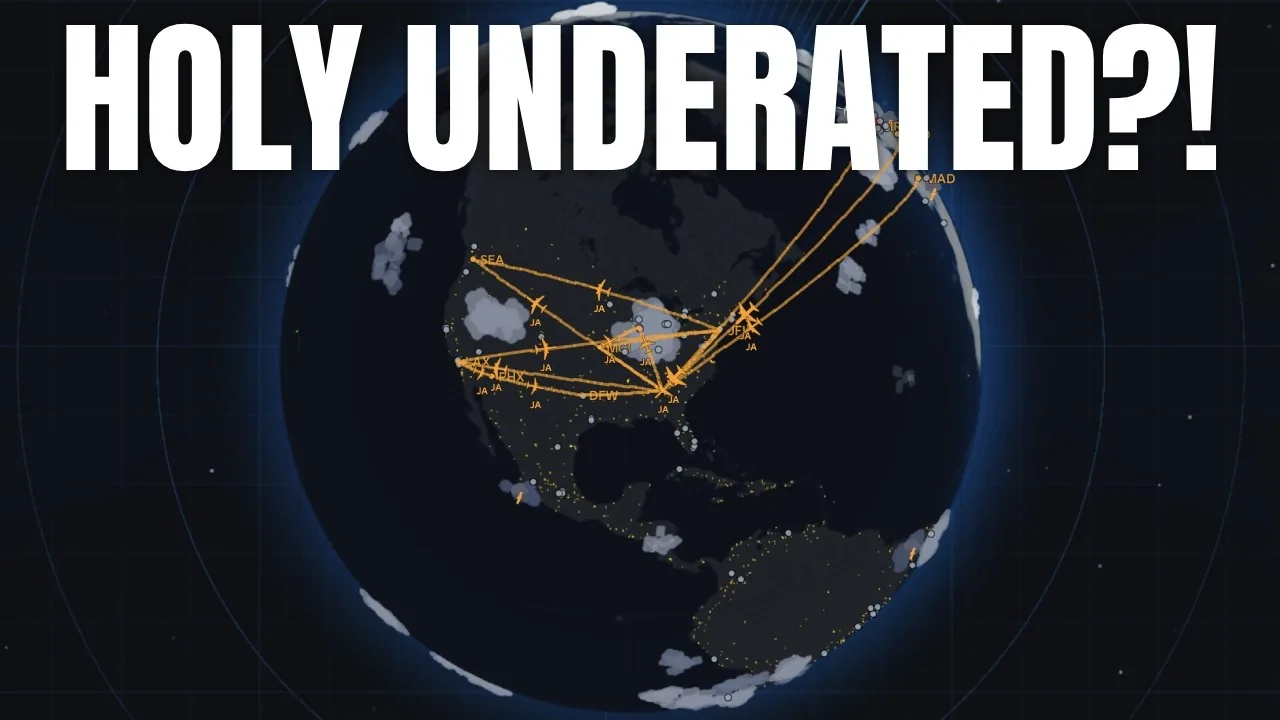
Starting your carrier in Airline Executive requires picking a headquarters, securing a connecting destination, and purchasing an affordable used jet. Managing fuel costs, maintenance, and flight schedules across the 3D globe helps you maintain stable cash flow without facing bankruptcy.
Founding Your Airline and Selecting Initial Airports
Creating an airline begins with naming your enterprise. This name appears publicly to other players in the server and cannot be altered through normal settings once confirmed. The Early Supporter game pass provides a single free name change, but standard profiles keep their initial choice permanently.
Every new executive begins with one airport, one used aircraft, and $1,000,000 in starting money. You cannot operate flights out of a single hub alone; opening your first commercial link requires purchasing a second location from the more than 1,100 real airports placed on the live 3D globe.
Selecting a major hub such as Atlanta serves as an operational base, while smaller domestic fields like Kansas City offer entry costs accessible under tight starting capital. Establishing a central hub structure allows your subsequent routes to cycle traffic back through your main headquarters.
Aircraft Acquisition and Flight Management
Expanding operations requires balancing initial airframe condition against acquisition prices. New airlines rely on used jets like the Boeing 737-200, which often arrive with lower starting conditions near 65%. High-capacity models such as the Airbus A330, Airbus A350, or Embraer regional aircraft become viable once route revenues accumulate.
Routes are created by selecting destinations directly on the 3D globe. Flights operate at 60X simulated time through continuous day and night cycles. Clicking an active aircraft brings up real-time flight tracking data, showing passenger counts, assigned tail numbers, journey progression, airframe condition, and environmental factors such as a 6% tailwind.
Airframes degrade with every completed flight. Skipping required maintenance leads aviation regulators to issue penalties or ground your aircraft entirely. Poorly maintained fleets also risk mid-air incidents and crashes that appear across the server-wide Air News ticker.
Route and Fleet Investment Strategies
Choosing the right equipment for your initial network determines how quickly your company generates liquid capital.
| Aircraft Category | Recommended Network Role | Operating Trade-offs |
|---|---|---|
| Older Narrow-Body (e.g., Boeing 737-200) | Short domestic connections between regional hubs | Low purchase price, reduced initial condition, frequent maintenance demands |
| Regional Jet (e.g., Embraer) | Secondary point-to-point routes with moderate demand | Moderate passenger capacity, shorter operational range, lower fuel consumption |
| Long-Haul Widebody (e.g., Airbus A350) | High-volume intercontinental flights | Expensive airport unlock requirements, substantial capital outlay, high single-flight yields |
Operations, Morale, and Financial Stability
Keeping an airline operational involves managing recurring operational expenses against passenger revenue. Standard short flights with older jets can return around $250,000 per completed trip, but expenses fluctuate constantly. Fuel prices shift by the minute, requiring you to monitor whether cheap ticket fares are consuming your operating margins.
Employee satisfaction directly influences company efficiency. Periodic interactive prompts request funding allocations for your workforce. Approving these expenditures raises staff morale up to ratings such as 93%, preventing labor strikes.
Banks offer commercial loans to accelerate expansion, but accumulating debt increases the danger of liquidation. Reinvesting operational earnings into pilot hiring and technological research provides steady fleet expansion while protecting your carrier from unexpected bankruptcy. Sustained route expansion across 10 or more airports builds the company valuation required to enter the global top 100 leaderboard by net worth.